The New Era of Clothes Shops: Merging Conscious Curation, Local Culture, and Smart Design
For decades, the traditional clothes shop served a simple purpose: a physical warehouse where mass-produced garments were hung on racks for quick purchase. However, the rise of fast fashion and endless e-commerce scrolling gradually rendered this traditional model uninspiring. Today, a quiet revolution is happening across the fashion landscape. The modern clothes shop is transforming into a sanctuary of curated style, cultural expression, and conscious consumerism.
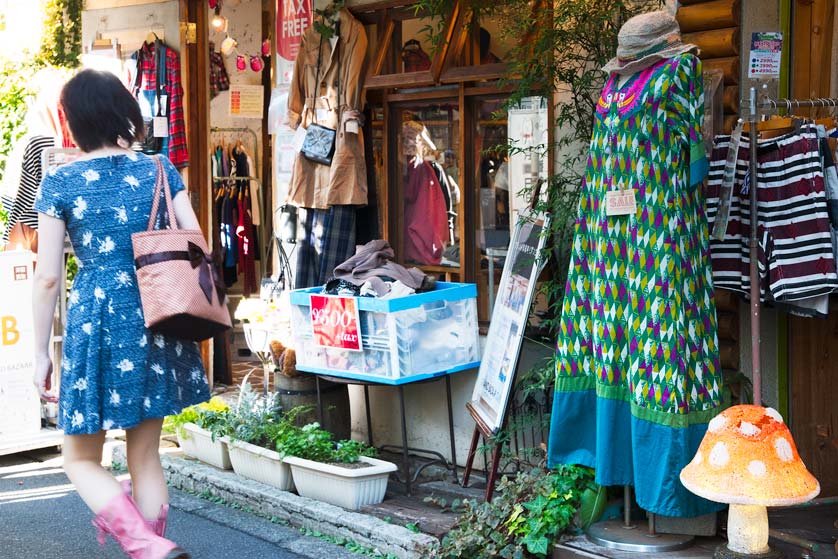
Rather than competing with the infinite speed of digital storefronts, contemporary clothing boutiques are redefining what it means to shop in person. By focusing on intentional curation, tactile exploration, and community-driven design, today’s most successful clothes shops are creating meaningful spaces that make getting dressed an art form once again.
1. The Death of Mass Inventory and the Rise of Intentional Curation
One of the most noticeable shifts in modern clothes shops is the transition away from overstocked racks and overwhelming choices. The modern boutique understands that choice overload causes consumer fatigue. Instead of offering hundreds of identical options, progressive clothing shops act as trusted editors.
This editorial approach relies on several key elements:
- Capsule Wardrobe Philosophy: Clothes shops are increasingly structuring their floor layouts around complete, cohesive wardrobe concepts. Garments are displayed alongside versatile pairing options, showing shoppers how five or six well-made pieces can create dozens of distinct outfits.
- Focus on Fabric and Fit: In an online shopping world dominated by heavily edited photos, the physical boutique excels in tactile reality. Independent clothes shops emphasize natural textiles—such as organic linen, heavyweight cotton, raw silk, and recycled wool—inviting customers to touch, drape, and feel the quality before making a decision.
- Uncovering Independent Designers: Instead of stocking globally available commercial brands, local clothing stores serve as incubators for emerging independent designers, offering unique garments that cannot be found on major mass-market websites.
2. Spatial Architecture and Sensory Design in Retail Environments
A well-designed clothes shop is no longer just a room with lighting and mirrors; it is a carefully calibrated sensory environment. Interior architecture plays a crucial role in how visitors perceive style, comfort, and value when browsing apparel.
Boutiques are ditching bright fluorescent lights and cramped fitting rooms in favor of thoughtful architectural choices:
- Harmonious Interiors: Natural materials such as raw wood, polished concrete, stone accents, and warm linen curtains create a calming, gallery-like atmosphere. This minimalist backdrop allows the colors and textures of the clothing to take center stage.
- Thoughtful Acoustic and Scent Landscapes: The ambient mood of a clothing store is subtly shaped by curated background soundscapes and understated natural scents, transforming a routine shopping trip into a relaxing, mindful escape.
- Sanctuary Fitting Rooms: The fitting room is where purchasing decisions actually happen. Modern clothes shops prioritize spacious, private fitting lounges equipped with soft, adjustable lighting that flatters natural skin tones and allows customers to view garments in different daylight settings.
3. Sustainable Fashion and Circular Retail Models
As environmental awareness grows, consumers are demanding accountability regarding how their clothes are made, sourced, and discarded. Progressive clothes shops are taking a leading role in the circular fashion movement, proving that retail can be both stylish and ecologically responsible.
Forward-thinking clothing retailers are incorporating sustainable practices directly into their business models:
- Transparency and Sourcing Stories: Many independent shops now include detailed garment tags that explain where the fiber was harvested, who manufactured the piece, and the ethical working conditions behind its production.
- In-House Repair and Custom Tailoring: To encourage long-term garment care, select clothes shops offer on-site tailoring, alteration services, or visible mending workshops. Extending the lifespan of a garment reinforces the true value of quality craftsmanship.
- Curated Vintage and Archive Sections: Blending brand-new garments with carefully sourced vintage or archival pieces has become a hallmark of modern boutique culture. This allows shoppers to build unique, multi-layered wardrobes while keeping quality clothing in continuous circulation.
4. Building Community Hubs Through Personal Styling and Local Culture
Beyond clothing racks and fitting rooms, the modern clothes shop is reinventing itself as a neighborhood anchor—a physical space where local culture, creativity, and social connection flourish.
Retailers are deepening their relationships with customers through personalized, high-touch services:
- Tailored Personal Styling: Staff members are evolving into knowledgeable wardrobe consultants who understand body proportions, color theory, and lifestyle needs. Customers can book private styling appointments to receive personalized advice without any pressure to buy.
- Collaborative Local Pop-Ups: By hosting weekend pop-up events for local ceramicists, jewelry makers, book curators, or specialty coffee roasters, clothes shops foster an interconnected creative community.
- Educational Workshops: Hosting intimate gatherings on topics like textile care, capsule wardrobe planning, or sustainable style turns the clothing boutique into an educational platform for conscious living.
Conclusion
The evolution of the clothes shop marks a refreshing return to intentionality, quality, and human connection. Physical boutiques are no longer mere transaction points for garment distribution; they have become thoughtful spaces where personal expression is nurtured and celebrated.
By prioritizing curated collections, sustainable circular practices, welcoming architecture, and authentic community engagement, the modern clothes shop offers an experience that digital screens can never duplicate. As we look toward the future of fashion, the stores that thrive will be those that honor the art of craftsmanship, respect the planet, and turn the simple act of choosing an outfit into a joyful, personal journey.