Rethinking the Neighborhood Hub: The Quiet Revolution of the Modern Grocery Store
For over a century, the grocery store served as a purely functional fixture of urban and suburban life. It was a utilitarian warehouse of grid-aligned aisles, fluorescent lighting, and standardized food packaging designed to feed households efficiently. However, as e-commerce reshaped consumer expectations and fast automated home delivery became routine, the traditional supermarket model reached a critical crossroads. To remain essential, the physical grocery store has had to undergo a profound transformation.
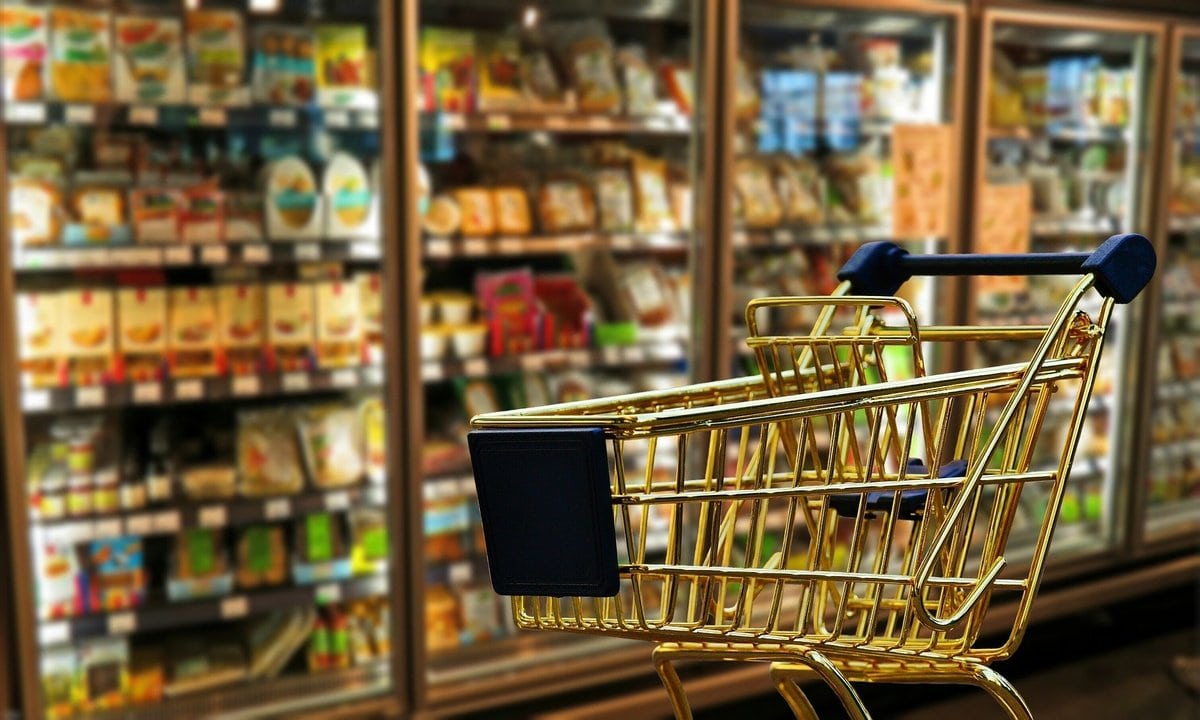
Today’s most innovative grocery stores are no longer passive self-service warehouses. Instead, they are evolving into dynamic culinary centers, community meeting places, and sustainable technology hubs that blend physical sensory experiences with hyper-efficient operational design.
1. The Death of the Grid Layout and the Rise of Experiential Architecture
Traditional grocery stores relied on a rigid perimeter-and-aisle layout that forced shoppers through a predictable path—placing staples like dairy and bread at opposite ends of the building to maximize impulse purchases. Modern grocery store design rejects this mechanical framework in favor of open, fluid, and intuitive architecture.
This spatial evolution prioritizes human comfort, visual discovery, and sensory engagement:
- Market-Style Central Plazas: Rather than entering directly into enclosed aisles, shoppers step into expansive, brightly lit spaces modeled after traditional open-air farmers’ markets. Highlighting fresh produce, artisanal bakeries, and open prep kitchens creates an immediate sense of freshness and transparency.
- Micro-Zones and Culinary Stations: Aisles are increasingly broken down into distinct themed micro-zones. Instead of searching across separate sections for dinner ingredients, shoppers encounter curated displays that pair fresh pasta with artisanal cheeses, cold-pressed oils, and farm-fresh herbs.
- Integrated Hospitality: The line between grocery store and neighborhood restaurant is blurring. From in-store specialty coffee bars and craft beverage taps to ready-to-eat dining lounges, grocery stores are actively encouraging customers to slow down, socialize, and linger.
2. Hyper-Local Sourcing and Direct Agricultural Transparency
As global supply chains face increasing scrutiny over carbon footprints and food security, modern grocery stores are altering their sourcing strategies. Consumers no longer accept vague origin labels; they demand full transparency regarding how, where, and by whom their food was grown.
Forward-thinking grocery stores are establishing direct agricultural partnerships to shorten the farm-to-shelf distance:
- Direct Farmer Partnerships: Leading independent and regional grocers are bypassing massive national distributors in favor of direct contracts with local farms. This ensures crops are harvested at peak ripeness and reach store shelves within twenty-four hours, drastically reducing spoilage and transport emissions.
- Vertical Farming and Micro-Agriculture: A growing number of progressive supermarkets are bringing agricultural production directly inside the store. Indoor vertical farming units allow grocers to cultivate living herbs, leafy greens, and microgreens on-site, offering zero-food-mile produce harvested directly in front of the customer.
- Transparent Traceability Labels: Digital QR tags on fresh meat, seafood, and produce enable shoppers to instantly scan items with their smartphones to view the origin farm, harvest date, and sustainable handling certifications.
3. Frictionless Commerce and Invisible In-Store Technology
While physical sensory connection is vital, nobody enjoys waiting in long checkout lines. Modern grocery stores are integrating unobtrusive, background technology to remove operational friction while preserving the enjoyment of tactile browsing.
Smart technology is changing the mechanics of everyday food shopping:
- Computer Vision and Smart Carts: Next-generation shopping carts equipped with weight sensors and AI computer vision cameras automatically recognize items as shoppers place them into bags. Payment is processed automatically upon exiting, eliminating traditional checkout queues entirely.
- Dynamic Electronic Shelf Tags: Paper price tags are being replaced by dynamic digital displays that sync directly with store inventory systems. These tags allow stores to adjust prices dynamically to reduce food waste, offering real-time discounts on items nearing their expiration dates.
- Micro-Fulfillment Centers: To handle the massive volume of online pickup orders without crowding retail aisles with personal shoppers, advanced stores are building automated micro-fulfillment centers directly behind store walls. Robotic systems rapidly pick non-perishable goods from backroom inventory, leaving the main retail floor open and peaceful for foot traffic.
4. Zero-Waste Initiatives and Circular Groceries
Food waste and excess single-use plastic packaging represent two of the largest environmental challenges in retail. Modern grocery stores are redefining their operational practices to support circular economics and minimize environmental impact.
Sustainable grocery management manifests across several core practices:
- Bulk Refill Systems and Package-Free Zones: Grocers are expanding package-free sections where customers bring reusable containers to stock up on grains, legumes, oils, coffee beans, and household cleaning liquids, completely eliminating single-use plastic containers.
- Rescued Produce and Upcycled Foods: Rather than discarding fruits and vegetables that fail aesthetic cosmetic standards, stores sell “imperfect” produce at a discount or upcycle it directly into prepared salads, soups, and ready-to-eat meals in their in-store kitchens.
- Closed-Loop Organic Composting: Organic waste that cannot be repurposed for food preparation is diverted from landfills into local commercial composting programs or anaerobic digesters, returning nutrients back to local farmland.
Conclusion
The evolution of the grocery store proves that physical retail is far from obsolete when it offers real human value. By shifting from cold, transactional supermarkets to warm, community-centered culinary hubs, modern grocers have successfully redefined their place in everyday neighborhood life.
Through thoughtful architectural design, hyper-local farm partnerships, frictionless technology, and aggressive zero-waste practices, the contemporary grocery store provides an experience that screen-based delivery apps simply cannot duplicate. As our relationship with food continues to mature, the grocery stores that thrive will be those that honor freshness, respect the environment, and nourish both individuals and their communities.