Mastering the Final Stage of the Ink Journey
In the world of professional tattooing, much of the public discourse centers on the creative spark of the initial design or the technical endurance required during a six-hour session. However, for the seasoned artist and the discerning collector, the most critical phase of the entire process is often what insiders call the “Tattoo Close.” This phase is not merely the moment the needle stops moving; it is a sophisticated combination of skin stabilization, antiseptic sealing, and the psychological transition from a medical procedure to a permanent work of art.
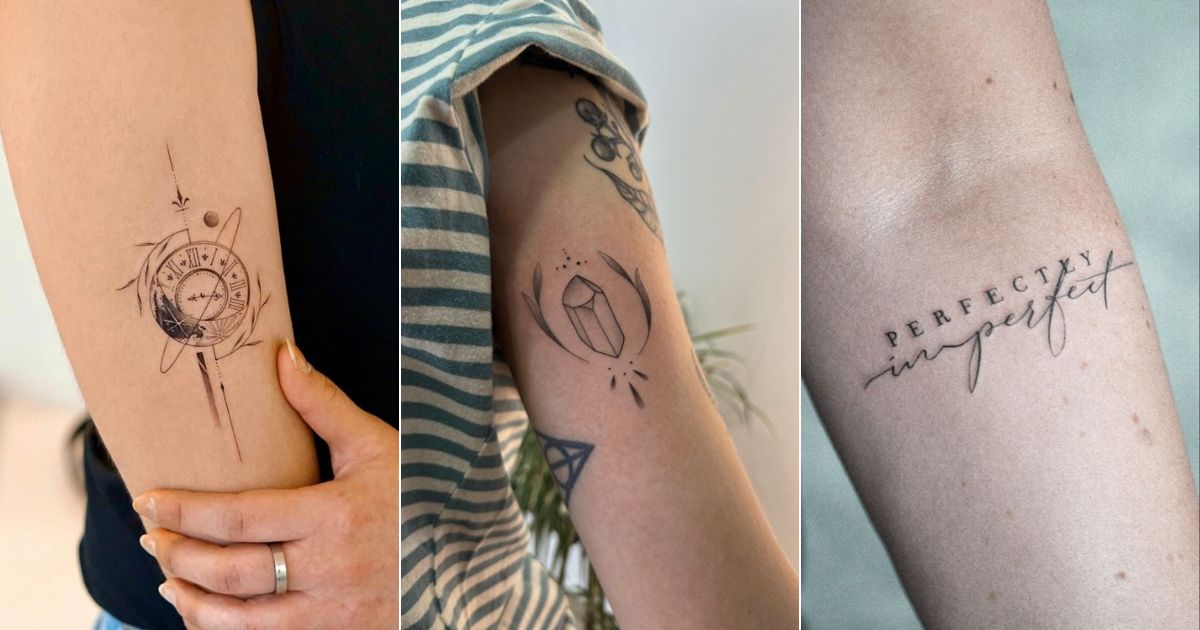
Mastering the tattoo close is what separates a standard shop experience from a world-class studio. It ensures that the vibrancy of the pigment is preserved, the trauma to the dermis is minimized, and the client walks out with a clear roadmap for long-term healing.
The Technical Execution: Sealing the Canvas
The tattoo close begins the second the artist wipes away the last bit of excess ink. At this stage, the skin is in a state of high inflammation. The pores are open, and the body’s natural immune response is working overtime to shed the foreign pigment. An expert close involves a series of technical steps designed to “calm” the skin.
- The Cold Compress and Witch Hazel Rinse: Many top-tier artists utilize a chilled distilled water rinse or a witch hazel solution during the close. The cold temperature helps constrict the blood vessels and pull the heat out of the skin, while witch hazel acts as a natural astringent to close the pores and reduce redness.
- The Final Saturation Check: Before the final seal, the artist performs a “close-up inspection.” This is the last opportunity to ensure that the saturation is consistent and that no “holidays” (small un-inked gaps) exist. A professional close ensures that the art is technically perfect before the healing barrier is applied.
- The Plasma Clear: A crucial part of a clean close is managing plasma. By allowing the tattoo to “weep” for a few minutes and then gently cleaning it one last time, the artist prevents the formation of heavy scabbing, which is the primary enemy of a crisp, healed tattoo.
The Evolution of the Protective Barrier
Historically, the tattoo close involved a simple application of petroleum jelly and a piece of plastic wrap. In 2026, the “Medical Close” has become the industry standard. This involves the use of specialized, breathable adhesive bandages—often referred to as “Second Skin” or “Dermal Armor.”
These medical-grade films are a game-changer for the tattoo close. They create a semi-occlusive environment that allows the wound to heal in its own interstitial fluid. This “wet healing” method significantly speeds up the recovery process and keeps the tattoo protected from environmental contaminants during the first 24 to 48 hours—the highest-risk period for infection. An expert artist will apply this barrier with precision, ensuring there are no air bubbles or tension points that could irritate the surrounding skin.
The Psychological Close: From Pain to Pride
The tattoo close is also a vital psychological transition. The client has just undergone a period of physical stress and endorphin release. A professional blogger or artist knows that this is the moment to ground the client.
The “Reveal” is a core part of the psychological close. After the final cleaning, the artist presents the work in the best possible lighting. This moment of shared satisfaction reinforces the bond between the artist and the client. It is during this time that the artist explains the “why” behind the aftercare instructions, emphasizing that the tattoo is now a 50/50 partnership: the artist provided the skill, and now the client must provide the care.
Aftercare Integration: The Blueprint for Longevity
A tattoo close is incomplete without a comprehensive educational handover. The expert traveler or collector knows that a tattoo is only as good as its healed result. The closing conversation should cover:
- The First Wash: Precisely when and how to remove the initial barrier.
- Hydration Balance: The fine line between keeping a tattoo moisturized and “over-lotioning,” which can lead to clogged pores and faded ink.
- Environmental Shields: A strict warning against sun exposure and submerged water (pools, oceans, baths) for the first two to three weeks.
By providing a written or digital aftercare guide during the close, the artist ensures that the client doesn’t have to rely on memory while in a post-tattoo “fog.”
The Professional Portfolio: The Final Photograph
In the digital age, the tattoo close almost always concludes with a professional photography session. This is not just for social media marketing; it is a clinical record of the work in its “fresh” state.
Expert artists use polarized filters and specific lighting setups to eliminate “skin glare,” allowing the true depth of the blacks and the vibrancy of the colors to show through. For the client, this high-quality image serves as a digital twin of their new art, something they can share with the world while the physical version goes through the “ugly” peeling phase of healing.
Conclusion: The Finality of the Needle
The tattoo close is the bridge between the studio and the street. It is a meticulous process that balances medical necessity with artistic pride. When a tattoo is closed correctly, it ensures that the hours of pain and the financial investment translate into a lifetime of beautiful, crisp imagery.
Whether you are an aspiring artist or a first-time collector, paying attention to the details of the close is essential. It is the final signature on a piece of living art. A great tattoo is started with a vision, executed with a needle, but it is truly defined by how it is closed. By respecting this final stage, we honor the ancient tradition of tattooing while utilizing the best of modern science to ensure our stories in ink last a lifetime.