A Comprehensive Guide to Mastering the Art of Air Travel
Air travel has long been considered the ultimate symbol of human ingenuity, transforming the vast distances of our planet into mere hours of transit. However, as the global aviation industry continues to evolve in 2026, the experience of flying has shifted from a rare luxury into a sophisticated logistical exercise. For the modern traveler, success is no longer defined just by reaching the destination, but by how effectively one navigates the complex environment of airports, security protocols, and long-haul cabins.
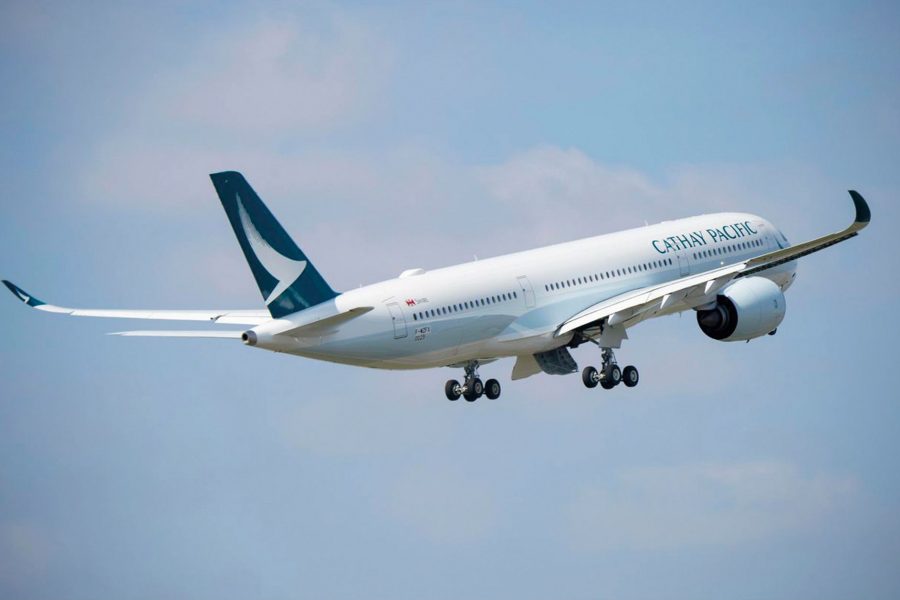
Traveling on an airplane requires a unique blend of preparation, physiological awareness, and social etiquette. Whether you are a seasoned business flyer or embarking on a long-awaited vacation, understanding the nuances of the modern aviation landscape is essential for a seamless journey.
The Pre-Flight Blueprint: Strategic Preparation
The secret to a stress-free flight begins long before you arrive at the terminal. In the current digital age, the “analog” traveler is at a distinct disadvantage. Expert flyers treat their smartphone as their primary travel command center.
- Digital Documentation: Always utilize the airline’s dedicated app. Beyond providing a paperless boarding pass, these apps offer real-time updates on gate changes, luggage tracking, and even the aircraft’s incoming flight status.
- The Strategic Seat Selection: Understanding the layout of the aircraft is a professional skill. Use seat-map tools to identify “quiet zones” away from galleys and lavatories. If you prioritize a quick exit, aim for the front; if you seek a smoother ride during turbulence, seats over the wing are structurally the most stable point of the aircraft.
- The Art of the Carry-On: As checked luggage fees and transit delays increase, the “one-bag” philosophy has become a hallmark of the expert traveler. A well-organized carry-on, featuring a dedicated “tech pouch” and a transparent toiletry bag, ensures that you move through security checkpoints with minimal friction.
Navigating the Airport Ecosystem
The modern airport is a city unto itself, designed to manage the flow of thousands of people simultaneously. To navigate this ecosystem effectively, one must understand the “Zero-Hour” rule—aiming to be at the gate at least 45 minutes before departure, regardless of how quickly you cleared security.
In 2026, biometric boarding and advanced screening technology have significantly reduced wait times, but they require the traveler to be “security-ready.” This means wearing easily removable footwear and avoiding excessive metal accessories. Once through security, the airport environment is intentionally designed to encourage spending; however, the expert traveler uses this time for “pre-hydration.” Purchasing a large bottle of water (or filling a reusable one) is the single most important action you can take to combat the dehydrating effects of recycled cabin air.
Cabin Wellness: Managing Physiology at 35,000 Feet
The human body was not naturally designed to thrive in a pressurized metal tube at high altitudes. The dry air and lower oxygen levels can lead to fatigue, dehydration, and “jet bloat.” Managing your physical well-being during the flight is a critical component of air travel expertise.
Hydration is the primary pillar of cabin wellness. The humidity in an airplane cabin is often lower than that of the Sahara Desert, frequently dropping below 10%. Drinking water consistently—and avoiding excessive caffeine or alcohol—helps maintain energy levels and skin health. Furthermore, for flights exceeding four hours, movement is non-negotiable. Simple ankle rotations and periodic walks to the galley help maintain circulation and reduce the risk of deep vein thrombosis (DVT).
The Social Contract: Etiquette in the Clouds
Air travel is a communal experience in a very confined space. As such, it relies on a silent “social contract” between passengers. Respecting this contract ensures a pleasant environment for everyone on board.
- Reclining Etiquette: While you have the right to recline your seat, an expert traveler always glances back before doing so. Avoid reclining during meal services or if the person behind you is using a laptop.
- Audio Boundaries: Noise-canceling headphones are an essential tool, not just for your comfort, but for the peace of others. Ensure that your volume level doesn’t “leak” into your neighbor’s space.
- Shared Spaces: Keep the overhead bin space organized. Place your larger suitcase in the bin and your smaller personal item under the seat in front of you. This ensures there is enough room for everyone’s belongings and speeds up the boarding process for the entire aircraft.
Tech and Entertainment: Curating Your In-Flight Experience
While many modern aircraft offer sophisticated seatback entertainment, the savvy traveler always brings a “backup” ecosystem. Relying solely on the airline’s Wi-Fi can be a gamble.
Before leaving home, download a variety of content—podcasts, movies, and offline maps of your destination. Additionally, the “analog” break can be incredibly refreshing. A physical book or a journal allows your eyes to rest from the glare of screens, which can help in resetting your internal clock if you are crossing multiple time zones.
Conclusion: Embracing the Journey
Traveling on an airplane is a remarkable privilege that our ancestors could only dream of. While the logistics can sometimes feel overwhelming, the ability to soar above the clouds and land in a completely different culture is a modern miracle.
By preparing strategically, respecting your body’s needs, and maintaining a high standard of etiquette, you transform the act of flying from a stressful chore into an integral, enjoyable part of your travel story. The horizon is always wider from an airplane window; by mastering the art of air travel, you ensure that you arrive at your destination not just physically, but mentally ready to explore. The skies are open, and with the right approach, the journey truly is as rewarding as the destination itself. Safe travels.