A Deep Dive into Product Development for Flower Delivery
The floral industry has long been a cornerstone of human expression, serving as a silent messenger for love, sympathy, congratulations, and apology. However, the journey from a local garden to a recipient’s doorstep has undergone a radical transformation. In 2026, product development in the flower delivery sector is no longer just about selecting the prettiest roses; it is a high-stakes fusion of botanical science, supply chain engineering, and digital user experience.
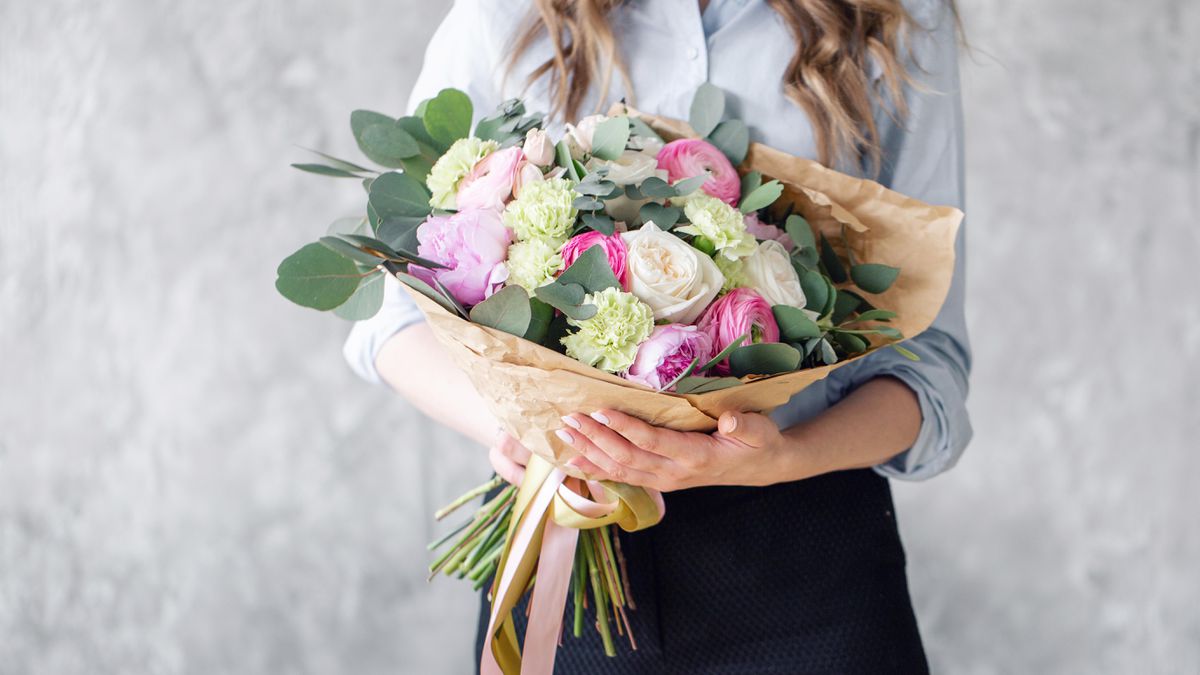
As consumer expectations shift toward instant gratification and environmental sustainability, companies must innovate at every stage of the product lifecycle. Developing a successful flower delivery product today requires a meticulous balance between aesthetic emotionality and rigorous logistical precision.
The Science of Longevity: Engineering the “Freshness Life”
In the world of floral product development, the primary enemy is time. Unlike a piece of electronics or a garment, a bouquet is a living, breathing entity that begins its expiration countdown the moment it is harvested. Therefore, a significant portion of modern product development is dedicated to “Post-Harvest Physiology.”
Developers are now working closely with agronomists to select cultivars that are specifically bred for transport durability. This means prioritizing flowers with thicker cell walls and higher resistance to ethylene—the gas that causes flowers to wilt. Furthermore, the “product” now includes the packaging as a functional component. Modern development has birthed “hydration-on-the-go” solutions, such as biodegradable hydrogels and micro-perforated films that regulate oxygen and carbon dioxide levels within the box. By engineering the environment around the flower, developers can now guarantee a “vase life” of seven to ten days, even after a transcontinental journey.
Sustainable Packaging: From Plastic to Plant-Based
One of the most significant shifts in floral product development is the move toward a “Zero-Waste” footprint. Historically, the flower delivery industry was a major consumer of single-use plastics, floral foam (which contains microplastics), and non-recyclable ribbons. In response to global environmental concerns, the product development process now begins with the disposal phase.
The modern floral “kit” is being redesigned with compostable materials. Traditional floral foam is being replaced by reusable structures made of volcanic rock or wool, and plastic wraps are being swapped for FSC-certified recycled paper or seaweed-based films. This is not just an ethical choice but a strategic one; consumers in 2026 are increasingly making purchasing decisions based on the sustainability credentials of the brand. Developing a product that is as beautiful in the trash as it is on the table has become a hallmark of industry leadership.
The Digital Bloom: UX and Personalization in the Floral Space
In 2026, the “product” of a flower delivery service is as much the digital interface as it is the physical bouquet. Product development in this sector now involves a heavy concentration on UI/UX (User Interface/User Experience). The goal is to reduce the friction between a feeling and a purchase.
AI-driven personalization is the new frontier. Developers are creating platforms that use machine learning to suggest arrangements based on the recipient’s personality, the specific occasion, or even the current weather at the delivery location. For instance, if the data suggests a recipient prefers “bohemian” styles, the site will prioritize wildflowers and asymmetrical designs. Additionally, the integration of Augmented Reality (AR) allows a sender to “place” a virtual bouquet in their own space to judge its size and scale before hitting the “buy” button. This digital layer adds immense value, turning a simple transaction into a curated experience.
Logistical Architecture: The Hyper-Local and Direct-to-Consumer Models
Product development in flower delivery also encompasses the “Service Architecture.” There are currently two dominant models being developed. The first is the “Hyper-Local Integration” model, which uses sophisticated software to route orders to independent local florists, ensuring that the flowers travel the shortest distance possible. This supports local artisans and ensures maximum freshness.
The second is the “Direct-to-Consumer” (DTC) model, where flowers are shipped directly from the farm to the customer. Development here focuses on “Vertical Integration”—owning the process from the soil to the doorstep. This model allows for higher quality control and lower prices by cutting out the middlemen. The challenge in developing this product is the “Last Mile” delivery. Companies are experimenting with climate-controlled electric vehicle fleets and smart lockers to ensure that a bouquet isn’t left to wilt on a sunny porch.
Emotional Value-Add: Curated Bundles and Subscriptions
To differentiate their products in a crowded market, developers are looking toward “Experiential Bundling.” A flower delivery is rarely just about the flowers; it is about the moment. Modern product development now includes the curation of “add-on” items that complement the floral theme, such as artisanal chocolates, organic candles, or high-end gardening tools.
Furthermore, the “Subscription Model” has become a major product category. Developing a subscription service requires a different mindset—one of “Variety and Discovery.” Instead of a one-time purchase, the developer must create a rolling calendar of seasonal blooms that keeps the customer engaged throughout the year. This requires deep synchronization between procurement, marketing, and the seasonal cycles of the earth.
Conclusion: The Harmonious Future of Floral Gifting
Product development in the flower delivery industry is a testament to how technology can enhance, rather than replace, a timeless human tradition. By combining the delicate art of floristry with the cold precision of data science and green engineering, companies are able to deliver more than just a plant; they are delivering a reliable, sustainable, and deeply personal emotional connection.
As we look toward the future, the successful “product” in this space will be the one that leaves the smallest footprint on the planet while leaving the largest impact on the heart. It is a journey of continuous refinement, where the goal is to ensure that the beauty of a single bloom can travel across the world and arrive with its story—and its petals—perfectly intact. In the end, the finest product development in the floral world is the one that allows nature’s beauty to shine through a lens of modern innovation.